Hawaiian Card 3D SVG Design Review
As a designer who has spent years navigating the intersection of digital assets and physical thread, I approach every new machine embroidery design with a critical eye. The market is flooded with generic patterns, but finding a digital embroidery file that translates well from screen to fabric requires careful scrutiny. Today, I am evaluating the Hawaiian Card 3D SVG. At first glance, this asset promises a vibrant, tropical aesthetic perfect for summer collections or vacation-themed gifts. However, the transition from a flat digital image to a textured, three-dimensional stitched piece involves many variables. Let’s break down how this specific embroidery project holds up under real-world conditions.
First Impressions: Visual Impact and Mood
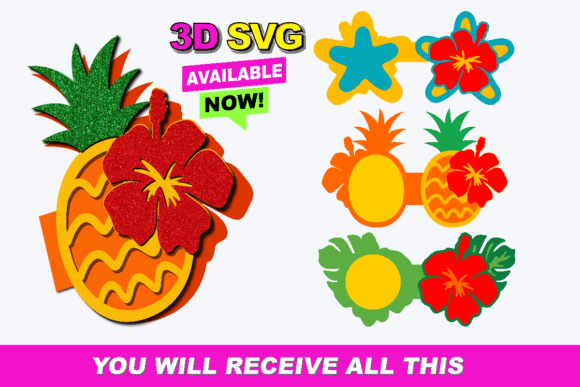
The Hawaiian Card 3D SVG immediately evokes a sense of leisure and warmth. The design relies heavily on bold outlines and layered shapes to create depth, which is characteristic of the 3D SVG format. When viewing the preview, the tropical motifs stand out with a playful energy that suggests they would work beautifully as a focal point on a tote bag or a relaxed summer sweatshirt. The layout feels balanced, avoiding the clutter often found in overly complex embroidery files.
However, it is crucial to remember that this is primarily marketed as a cut file for machines like Silhouette Studio and Cricut Design Space. For us working in thread, we must mentally translate these vector lines into stitch paths. The Shapes category implies clean edges, which is excellent for applique design techniques where fabric pieces are layered before stitching. If you intend to use this purely as a satin stitch outline, the curves will need to be tested to ensure they do not pucker on stretchy materials.
Real-World Application: From File to Finished Product
Imagine you are preparing a custom order for a local boutique. A customer wants a personalized beach towel featuring a tropical theme. You load the Hawaiian Card 3D SVG into your software to convert it for embroidery. Here is where the practical judgment comes in. The design’s bold nature makes it ideal for larger surfaces like tote bag designs or pillow covers. On a heavy canvas tote, the fill stitch areas would likely hold their shape well, creating a substantial, high-quality look that justifies a higher price point for a handmade product.
Conversely, if you were attempting this on a delicate baby onesie, you would need to exercise extreme caution. The "3D" effect often relies on density. Too much stitch density on thin cotton can cause the fabric to tunnel or warp. In my experience, adapting this design for baby embroidery would require reducing the number of fill passes and perhaps switching to a lighter running stitch for certain details. This ensures the garment remains soft against sensitive skin while maintaining the visual appeal of the original design.
For an Etsy seller or small shop owner, versatility is key. This design could serve as a unique embroidered patch for denim jackets or hats. The distinct tropical imagery offers great recognition value. When placed on a dark-colored cap, using bright thread colors like turquoise, coral, and yellow would make the design pop, enhancing the finished product's marketability. It transforms a standard accessory into a conversation starter, which is exactly what drives engagement in a crowded marketplace.
Navigating Challenges and Limitations
While the Hawaiian Card 3D SVG is visually striking, it is not without its challenges. One major consideration is the hoop size. Because the design aims for a 3D effect, it may span a wider area than a simple line art pattern. Before committing to a client project, always verify the dimensions against your machine’s maximum hoop capacity. Attempting to stitch a large design in a small hoop can lead to shifting and misalignment, ruining the professional finish.
Fabric texture also plays a significant role. On smooth fabrics like twill or broadcloth, the design will stitch cleanly. However, on textured items like fleece or ribbed knit, the intricate details might get lost in the fabric weave. If you are working with custom apparel made from thick sweatshirt material, you must use a heavy-duty stabilizer to prevent the needle from dragging the fabric. Without proper stabilization, the satin stitch borders could become wavy, diminishing the crispness of the Hawaiian Card 3D SVG.
Furthermore, consider the washing durability. Designs with high stitch density can sometimes crack over time if the backing is not sufficient. For products that need frequent washing, such as kitchen towels or aprons, test the design on a scrap piece of the same fabric first. Wash and dry it multiple times to see how the threads hold up. This step is non-negotiable for any serious craft business aiming to build customer trust and avoid returns.
Strategic Advice for Designers and Makers
If you decide to incorporate the Hawaiian Card 3D SVG into your workflow, here are my top recommendations based on professional practice:
- Test on Scrap Fabric: Never skip the test run. Stitch the design on a swatch of your intended fabric to check tension and color contrast.
- Review Thread Colors: The tropical theme demands vibrancy. Ensure your thread colors provide enough contrast against the background fabric to maintain visibility.
- Check Licensing: As with all design assets, confirm the licensing terms. Are you allowed to sell finished items? Can you offer the file digitally? Always clarify this before launching a product line.
- Use Proper Stabilizer: Whether it is tear-away, cut-away, or wash-away, choose the stabilizer that matches your fabric weight to support the fill stitch areas.
- Mockup in Black and White: Create a grayscale mockup to assess the tonal balance. Sometimes colors that look good together on screen clash when rendered in thread.
Ultimately, the Hawaiian Card 3D SVG offers a strong foundation for creative projects, provided you respect the mechanics of embroidery. It is a versatile tool for creating holiday embroidery items, personalized gifts, or commercial merchandise. By understanding its limitations and applying proper technique, you can turn this digital file into a premium, tangible product that delights customers and strengthens your brand identity. Remember, the difference between a good design and a great one often lies in the preparation and execution.