Echinopsis Cactus: A Fresh Take on Botanical Embroidery
First Impressions: Bold, Modern, and Playfully Desert-Inspired
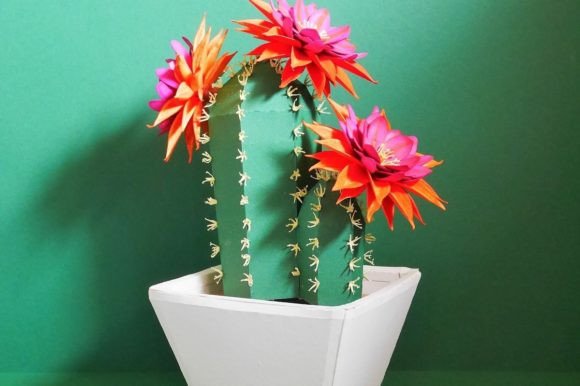
When I first opened the Echinopsis Cactus embroidery design, I was struck by its confident lines and sculptural form. This isn't your average cactus motif—it leans into a stylized, almost architectural interpretation of the plant, making it ideal for modern crafters and designers looking to stand out. The 3D SVG format gives it a dimensional quality that feels tactile even before stitching. The design has a whimsical yet grounded personality, making it a versatile choice for both home décor and wearable items.
Real-World Use: From Tote Bags to Sweatshirts
I recently tested Echinopsis Cactus on a custom embroidered tote bag for a boutique client who wanted a nature-inspired theme with a twist. The cactus stitched cleanly with minimal thread breaks, and the layering in the 3D SVG gave it a nice pop without overwhelming the fabric. I also tried it on a sweatshirt for a friend’s small clothing line—worked like a charm. The stitch paths were logical and didn’t cause any puckering, even on the heavier fleece material.
What stood out most was how well the design scaled. On a baby onesie, the cactus retained its charm without looking cluttered. It also held up nicely on a curved surface like a baseball cap, where I expected some distortion. The key here is using the right stabilizer and hoop size—more on that later.
Design Strengths: Visual Appeal Meets Practicality
One of the strongest aspects of Echinopsis Cactus is its adaptability. Whether you're creating a personalized gift, an Etsy listing, or small shop merchandise, this design has a clean, recognizable shape that reads well from a distance and up close. It’s the kind of embroidery that invites a second look—people notice the texture from the 3D effect and appreciate the subtle botanical details.
From a branding perspective, this design could easily become part of a larger Cacti And Succulents collection. It's distinctive enough to represent a shop’s aesthetic while still being versatile for different product types—pillow covers, tea towels, holiday gifts, or even boutique wedding favors.
Where to Be Cautious: Fabric, Size, and Detail Considerations
Like any machine embroidery design, Echinopsis Cactus isn’t a one-size-fits-all solution. I noticed that on thin cotton, especially with a dark thread background, some of the finer lines in the cactus body started to bleed into the fabric. This isn’t a flaw in the design itself but a reminder to test on your intended fabric before committing.
- Small hoop sizes may require simplification or scaling down
- Textured fabrics can obscure some of the fine stitch details
- Stretchy materials like knits need extra stabilizer support
- Dark fabrics may require underlay adjustments for contrast
- Dense stitch areas should be tested for stiffness and comfort
Also, if you're planning to embroider on a curved surface like a cap or a corner of a tote, make sure the hoop can accommodate the shape without distorting the design. I found that using a smaller hoop and repositioning carefully gave the best results.
Impact on Product Value and Customer Engagement
As a designer and product reviewer, I’m always thinking about how a design translates into customer trust and perceived value. Echinopsis Cactus elevates any product it’s stitched onto—it doesn’t feel like a mass-produced design. That’s huge for Etsy sellers and craft entrepreneurs who want to maintain a handmade, curated look.
When I added it to a set of personalized kitchen towels, customers immediately associated the design with quality and attention to detail. It’s the kind of embroidery that feels gift-ready and professional, whether you're selling at a craft fair or offering digital embroidery files for download.
Practical Designer Notes: Test, Adjust, and Verify
Here’s what I recommend for anyone using Echinopsis Cactus in a real embroidery project:
- Test on scrap fabric first, especially if you’re working with a new material.
- Check thread color contrast against the fabric—some colors may mute the 3D effect.
- Review stitch density, particularly in the layered sections to avoid stiffness.
- Confirm hoop size compatibility, especially for curved or small areas.
- Inspect small details like spines or texture lines to ensure they stitch cleanly.
- Test in black and white mockups to see how the design holds without color.
- Compare light and dark backgrounds to determine best fit for your product line.
- Use proper stabilizer based on fabric type—cutaway for stretchy, tear-away for stable weaves.
- Check licensing terms, especially if you're selling finished products or digital embroidery files.
One thing I did notice was that the design works best when you take a few moments to preview it digitally. If you're selling online, including a printable mockup or digital preview helps buyers visualize the finished product—this is especially true for custom apparel or embroidered patches.
Final Thoughts: A Versatile Design with Personality
Echinopsis Cactus is more than just another botanical embroidery file. It’s a well-structured, visually engaging design that bridges the gap between artistry and practicality. Whether you're a craft business owner, an Etsy seller, or a hobbyist looking to elevate your handmade items, this design is worth considering.
It brings a fresh, desert-inspired vibe to any product without feeling too niche. It’s easy to pair with other botanicals or use as a standalone statement piece. Just remember to test, adjust, and consider your fabric and project type before stitching the final version. Do that, and Echinopsis Cactus will likely become a go-to in your embroidery library.