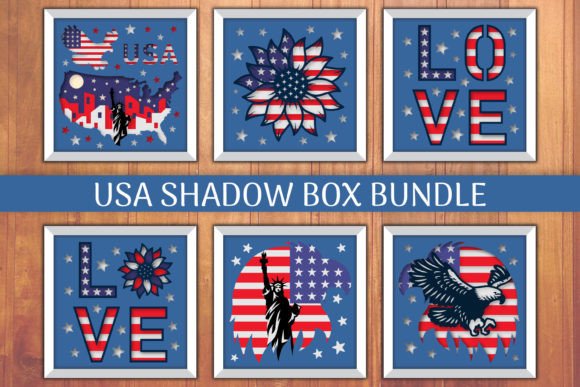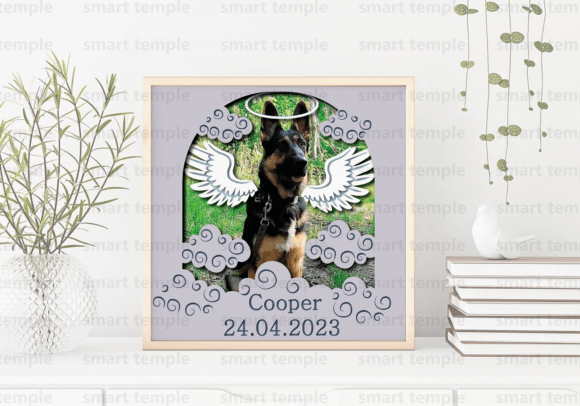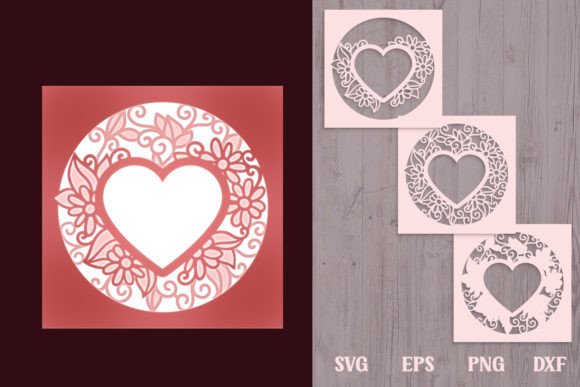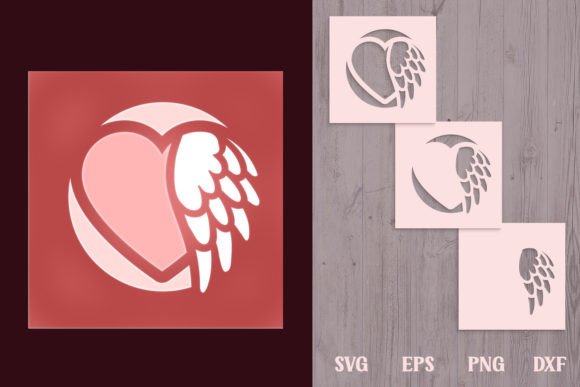
4th of July SVG: A 3D Design Asset for Shadow Box Blog Graphics
As a blog designer and digital publisher, I’m always on the lookout for high-quality design assets that elevate editorial content and improve visual storytelling. The 4th of July SVG collection immediately caught my eye—not just for its seasonal flair, but for its versatility across real content publishing workflows. Whether you're crafting a festive blog post header, a Pinterest pin, or a downloadable digital guide, this SVG set offers a clean, dimensional design that works well in both print and digital formats.
First Impressions: Bold, Festive, and Ready to Use
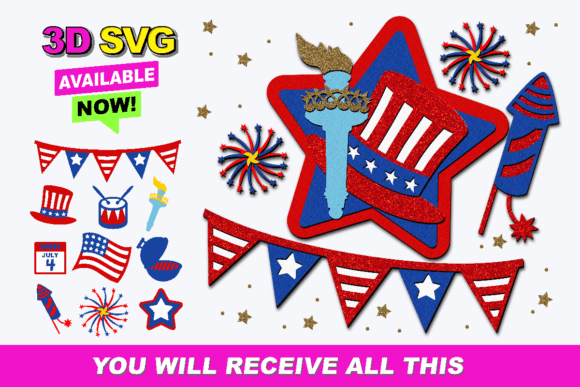
The 4th of July SVG delivers a strong visual impact right from the start. The 3D elements give it depth and realism, which is especially useful when creating graphics for blog headers, social media posts, or even printable content upgrades. The design feels modern, playful, and distinctly American—perfect for lifestyle, travel, or food bloggers looking to celebrate Independence Day with a polished visual theme.
This graphic design asset doesn’t just scream holiday cheer—it does so with editorial quality. The layered SVG files are easy to customize in design tools like Canva, Adobe Illustrator, or even Cricut Design Space, which makes it a solid choice for both seasoned designers and content creators who may be less design-savvy but still want professional results.
How It Elevates Real Content Publishing Workflows
In my experience, a great design asset isn’t just about aesthetics—it’s about how well it integrates into real editorial and publishing needs. Here’s how the 4th of July SVG shines across different content formats:
- Blog Featured Images: The 3D elements add dimension to your post thumbnails, making them stand out in blog grids and category pages.
- Pinterest Graphics: The bold red, white, and blue palette naturally draws attention, increasing click-through rates from Pinterest to your site.
- Newsletter Headers: Perfect for seasonal email campaigns, especially when promoting holiday content or affiliate offers.
- Digital Guides & Lead Magnets: Use the SVG as a decorative element in downloadable printables or themed worksheets to maintain a cohesive brand identity.
- Social Media Visuals: Whether for Instagram Stories or Facebook posts, this asset helps create consistent, clickable content during the summer season.
- Website Headers & Hero Images: Ideal for seasonal landing pages or promotional banners that need a festive yet professional touch.
Boosting Content Performance with Visual Consistency
One of the biggest challenges content creators face is maintaining a consistent visual identity across all platforms. The 4th of July SVG helps solve that by offering a cohesive design language that aligns with seasonal content themes. Using the same design asset across blog graphics, social media posts, and newsletter headers reinforces brand recognition and reader trust.
From a web design perspective, this SVG set contributes to better visual hierarchy. The layered 3D effect allows for clear focal points, especially when used alongside headlines or call-to-action buttons. This improves the overall readability and engagement of your content pages—something every digital marketer and affiliate content creator should care about.
Where This Design Asset Works Best
The 4th of July SVG excels in environments where bold, seasonal visuals are appreciated:
- Hero Images: On landing pages or seasonal blog posts, this SVG adds instant holiday flair without overwhelming the layout.
- Article Thumbnails: Great for lifestyle or recipe posts that benefit from a festive visual hook.
- Pinterest Pins: The high contrast and vibrant colors make it ideal for driving traffic from visual platforms.
- Newsletter Headers: Keeps your seasonal email campaigns on brand and visually engaging.
- Content Upgrades: Enhances downloadable resources like checklists, printables, or themed guides.
- Social Media Previews: Works well in both static and animated formats for Instagram, Facebook, or Twitter.
When to Use It with Care
While the 4th of July SVG brings a lot of visual energy, it’s not a one-size-fits-all solution. Here are a few situations where it might not be the best fit:
- Small Mobile Thumbnails: The 3D details may not render clearly at very small sizes.
- Text-Heavy Blog Images: Can compete with headline text, especially if placed directly over the design.
- Low-Contrast Backgrounds: The design may lose impact if placed on muted or busy backdrops.
- Corporate or Minimalist Websites: Too playful for serious B2B or finance-related content.
- Professional Niches: May not align with the tone of legal, medical, or academic publishing.
Publisher Notes: Testing and Optimization Tips
Before embedding this design asset into your content marketing strategy, here are a few practical steps I recommend taking:
- Test on Desktop & Mobile: Make sure the SVG scales well across devices.
- Preview as a Thumbnail: Check how it looks in a blog post grid or on Pinterest.
- Try It with Headlines: Overlay different fonts (serif, sans-serif, script) to see what works best.
- Check Contrast & Readability: Ensure text remains legible when placed over the design.
- Test in Black & White: Helps you understand how the design holds up without color.
- Review File Size: Large SVG files can slow down your site—use compression tools if needed.
- Confirm Licensing: Always verify that the 4th of July SVG includes a commercial license, especially if you're using it in paid content, affiliate marketing, or digital products.
Final Thoughts: A Festive, Flexible Design Asset for Seasonal Content
The 4th of July SVG is more than just a holiday graphic—it's a functional design asset that supports a wide range of editorial and content marketing needs. Whether you're a small business owner creating seasonal social media posts, an online educator designing holiday-themed worksheets, or a digital marketer building festive affiliate content, this SVG collection offers both flexibility and visual appeal.
When used thoughtfully, it enhances your website branding, improves click-through rates, and strengthens your overall visual identity. Just remember to test it in real publishing contexts and optimize for performance before going live. With the right implementation, this 3D SVG set can be a valuable addition to your creative toolkit.